Knowing the Limits: Hallucinations, Bias, and Trust

Part 10 of 12 — Intro to AI for non-technical backgrounds
Using AI well is not just about knowing what it can do. It is equally about knowing what it gets wrong, and why, so you can catch the failures before they cause problems. The two most important failure modes are hallucination and bias. Understanding both turns you from a credulous user into a calibrated one.
Why AI gets things wrong
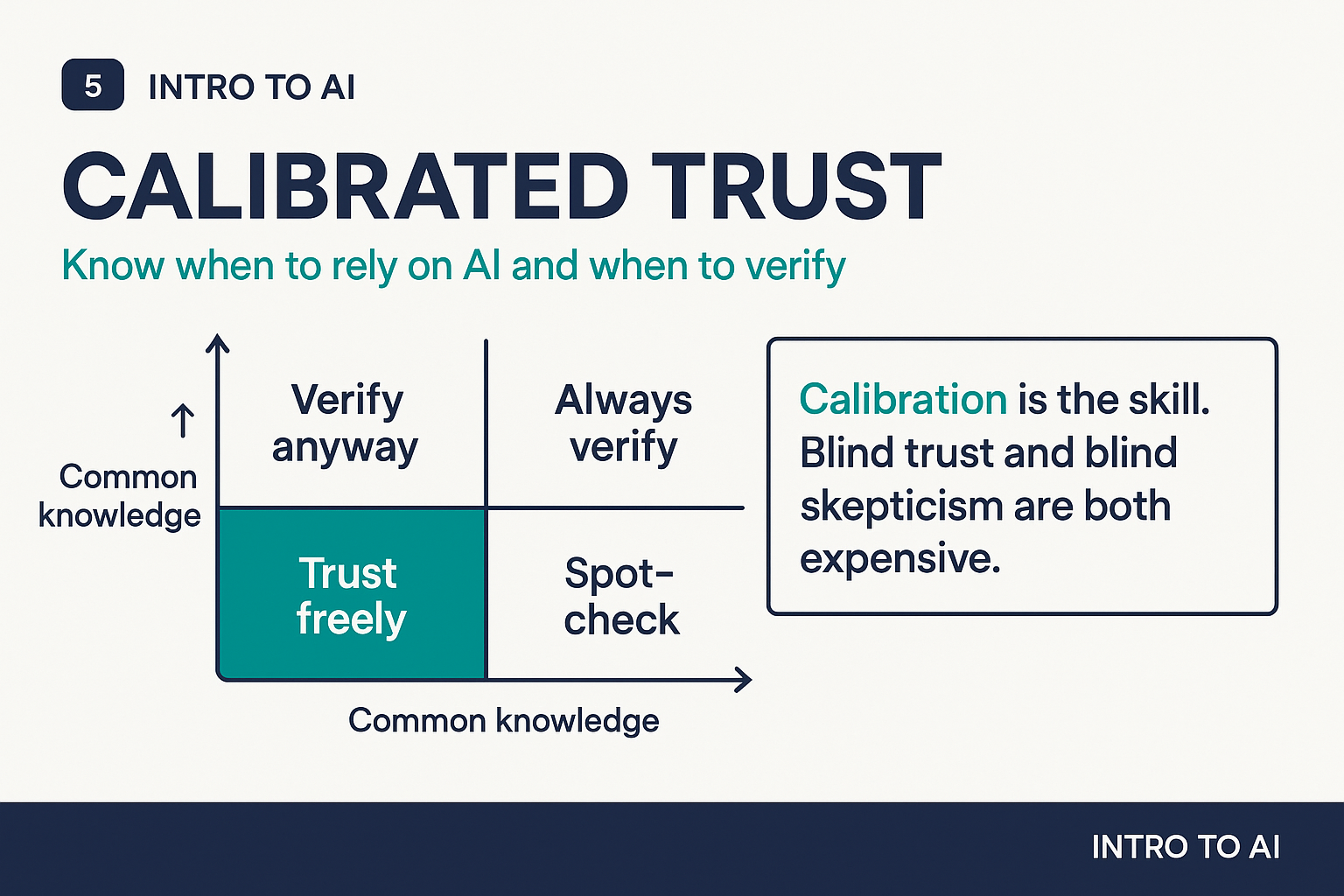
It helps to remember what a language model is actually doing when it responds to you. It is not retrieving facts from a reliable database. It is not reasoning through the problem the way a person does. It is generating the most statistically plausible continuation of your prompt, based on patterns in its training data. That process produces fluent, coherent text. It does not guarantee that the text is true.
The model has no internal fact-checker, no sense of "I know this" versus "I am guessing." It produces confident output whether the underlying claim is rock-solid or entirely fabricated. This is the root of most AI errors: not malice, not confusion, but the absence of genuine understanding beneath the fluency.
The hallucination problem
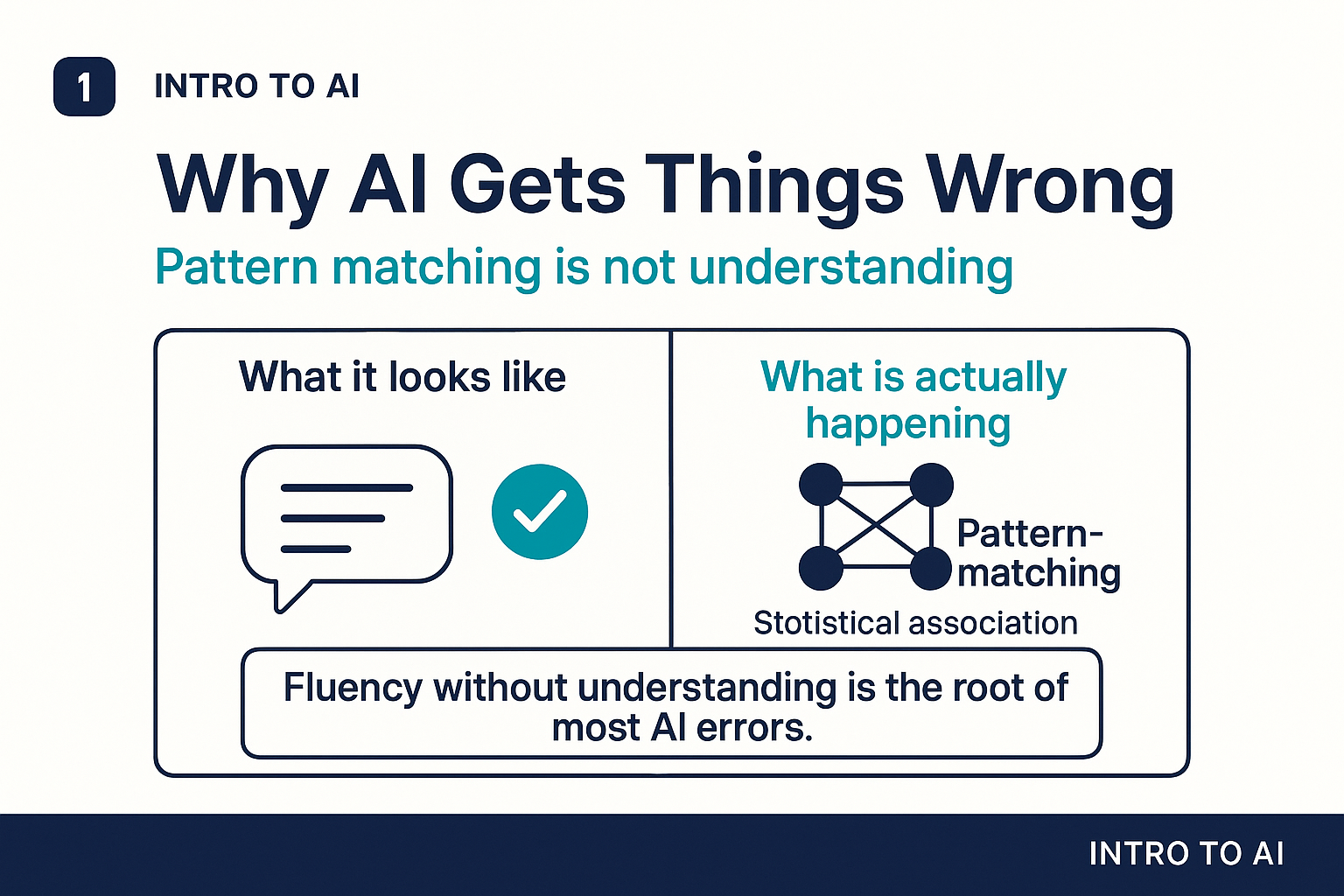
Hallucination is the name for when an AI produces a confident-sounding claim that is simply false. It can fabricate statistics, invent citations that do not exist, describe events that never happened, or attribute quotes to people who never said them. All of this happens in the same fluent, authoritative tone as its accurate outputs, which is what makes it genuinely dangerous.
Hallucination is not a bug that will simply be fixed in the next version. It is a property of how these systems work. Newer and larger models hallucinate less frequently, and on certain types of well-represented factual questions they are highly reliable. But the risk does not go to zero. Every factual claim in an AI output that matters should be verified before you act on it or pass it on.
A well-written wrong answer is harder to distrust than a poorly written wrong answer. The fluency of AI output is not evidence of its accuracy.
Where bias comes from
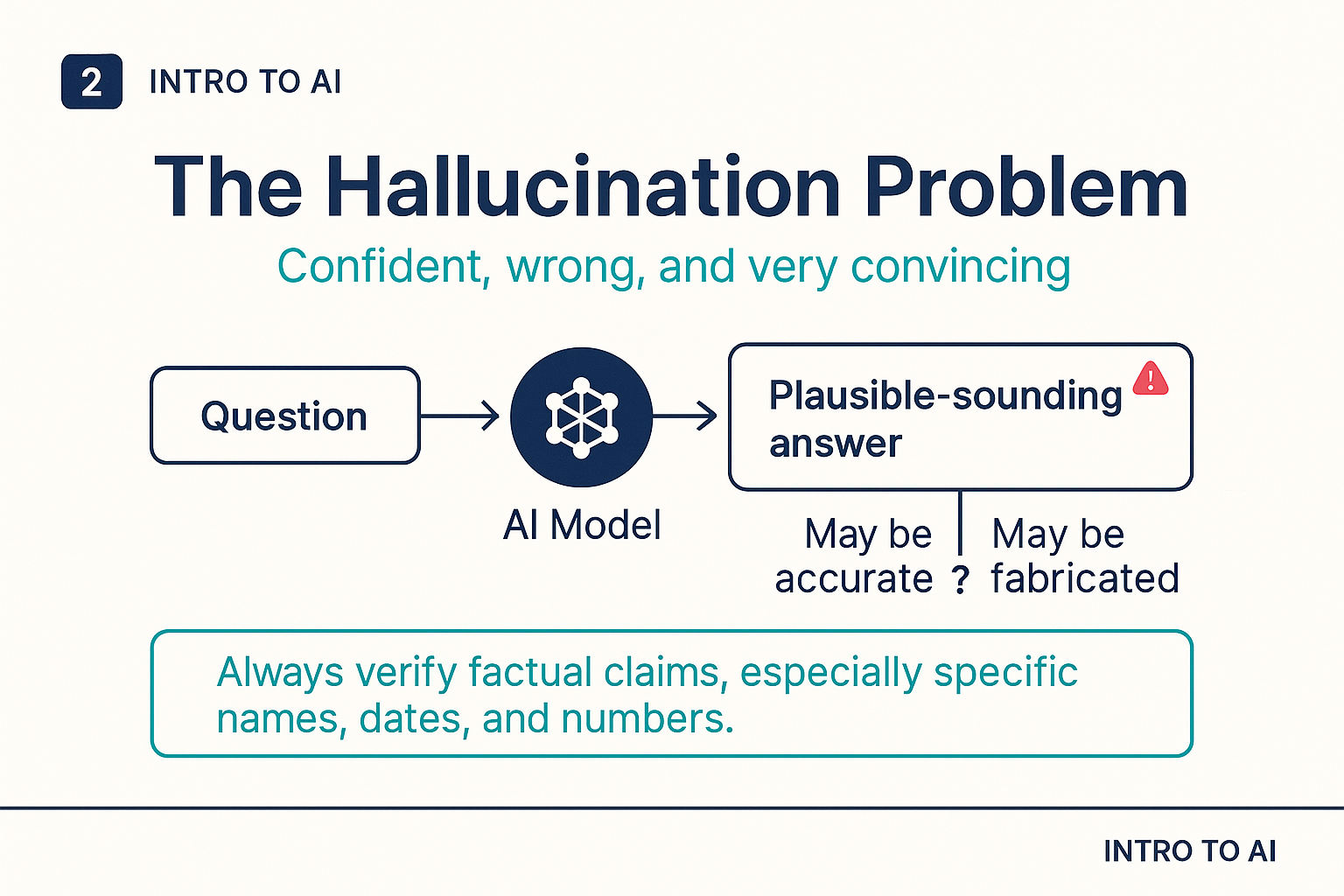
AI systems learn from human-generated data: text written by people, images created by people, decisions made by people. That data reflects the world as it is and as it has been, including its inequalities, its historical exclusions, and its persistent stereotypes. A model trained on that data will absorb those patterns, because absorbing patterns is exactly what it does.
Bias shows up in ways that are sometimes obvious and sometimes subtle:
- A facial recognition system trained predominantly on lighter-skinned faces performs worse on darker-skinned faces
- A hiring tool trained on historical decisions will replicate the demographic patterns in those decisions
- A medical AI trained mostly on data from one demographic may give less accurate predictions for others
- A language model may associate certain professions with certain genders, reflecting historical patterns in its training text
None of this requires anyone to have intended the bias. It emerges from the data, which reflects the world. This is why understanding training data is so central to evaluating AI systems used in consequential contexts.
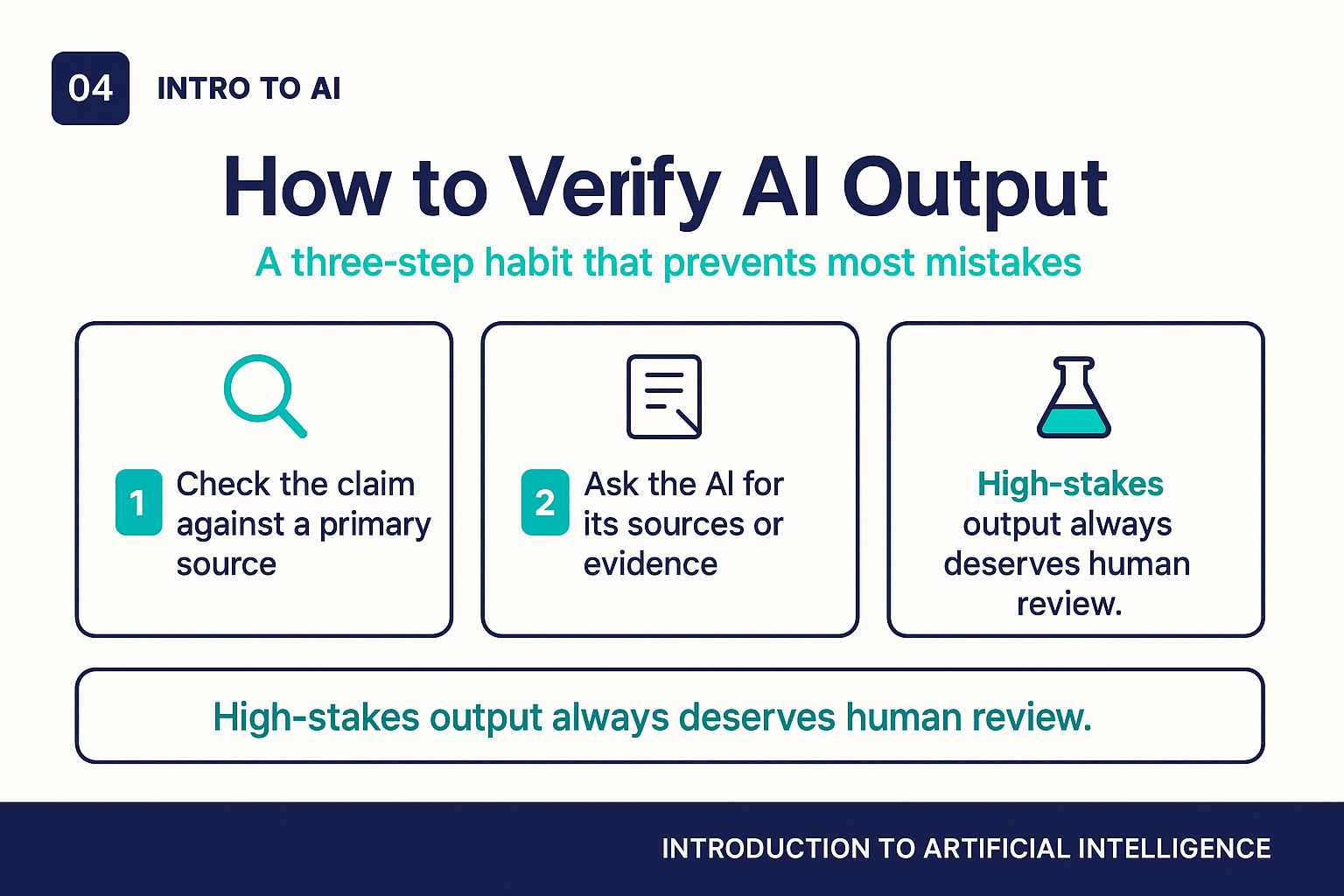
How to verify AI output
Verification does not mean checking every word. It means developing habits that catch the failures that actually matter:
- For specific facts: look them up in a primary source before relying on them. Specific names, dates, statistics, and citations are the highest-risk elements in AI output.
- For reasoning: follow the argument step by step and ask whether each step actually follows from the last. AI can produce reasoning that sounds logical but contains a gap that a careful human reader would catch.
- For consistency: ask the same question in two different ways and see if the answers align. Inconsistency is a signal that the model is guessing rather than retrieving.
- For high-stakes decisions: any AI output that will be used to make a decision with significant consequences deserves human expert review, not just a quick glance.
Red flags worth watching for
Certain patterns in AI output should trigger extra skepticism:
- Specific statistics with no source mentioned
- Named citations, studies, or quotes, especially from obscure sources you cannot easily find
- Very recent events, which may postdate the model's training cutoff
- Confident assertions about things that are genuinely contested or uncertain
- Implausibly convenient answers that align perfectly with what you wanted to hear
Calibrated trust: a practical framework
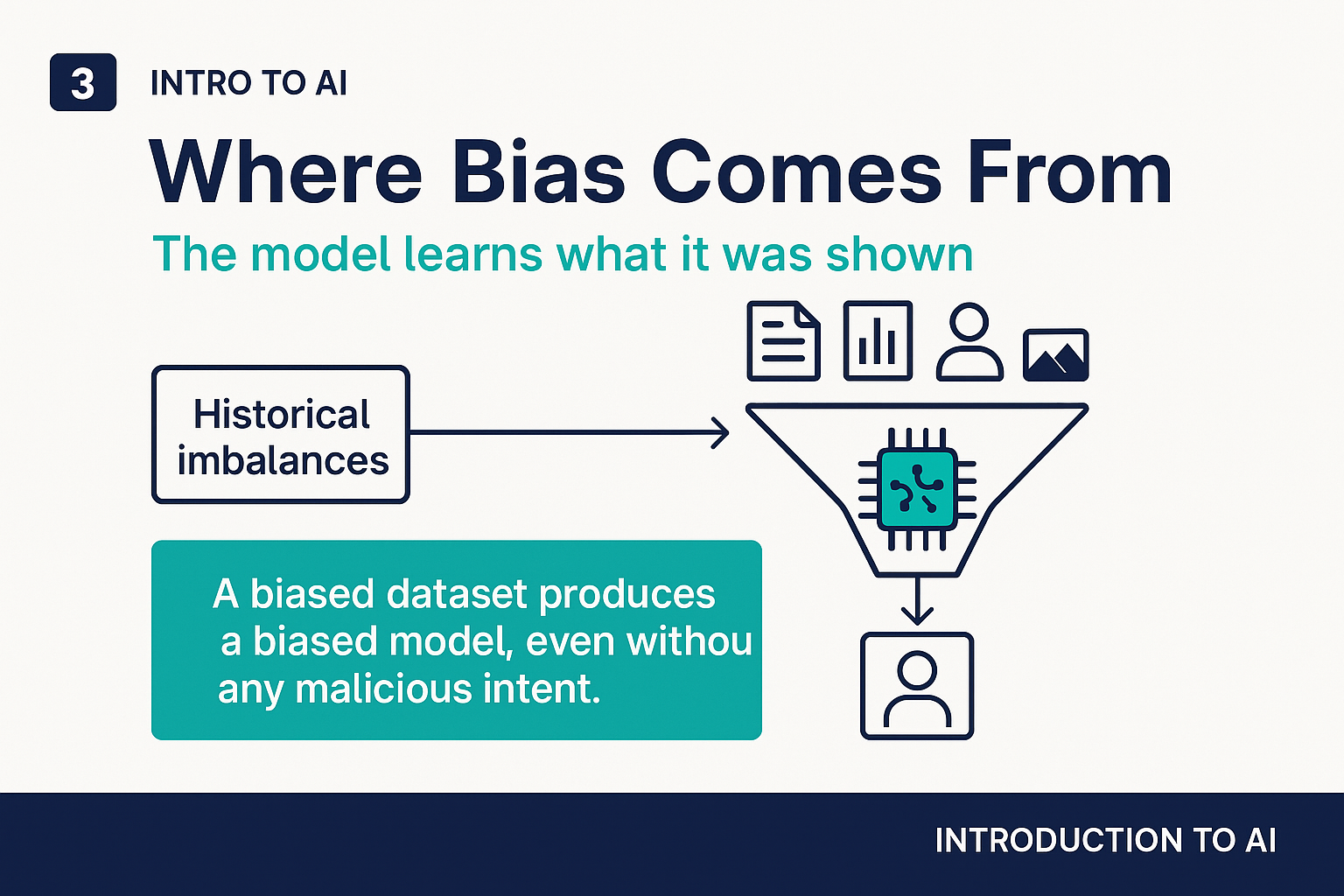
The goal is not zero trust or blind trust. It is calibrated trust: knowing when AI is likely to be reliable and when it requires verification, and adjusting your checking accordingly.
Low-stakes, general-knowledge questions (explaining what a term means, summarizing a well-known concept, suggesting a structure for a document) are usually reliable enough to use with light review. High-stakes questions involving specific facts, specific people, specific numbers, or specific legal or medical guidance require verification against authoritative sources, regardless of how confident the AI sounds.
Calibration is a skill you build through experience. The more you use AI and notice where it tends to be reliable versus where it tends to slip, the better your judgment about when to trust and when to check becomes.