
Thinking at the Frontier of Regulated AI
Perspectives on agentic AI, compliance architecture, and what it takes to build AI systems that regulators trust.
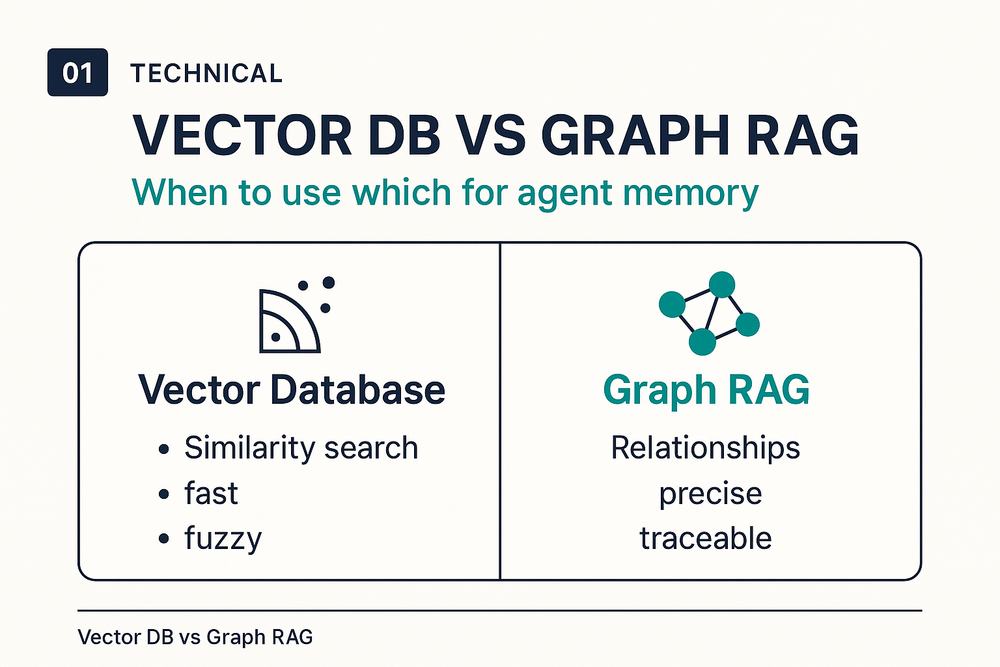
Vector Databases vs. Graph RAG for Agent Memory: When to Use Which
Everyone reaches for a vector database by default. Most agents do not actually need one; they need to remember how things connect. Here is how I decide between vector search and graph RAG, and when I just use both.
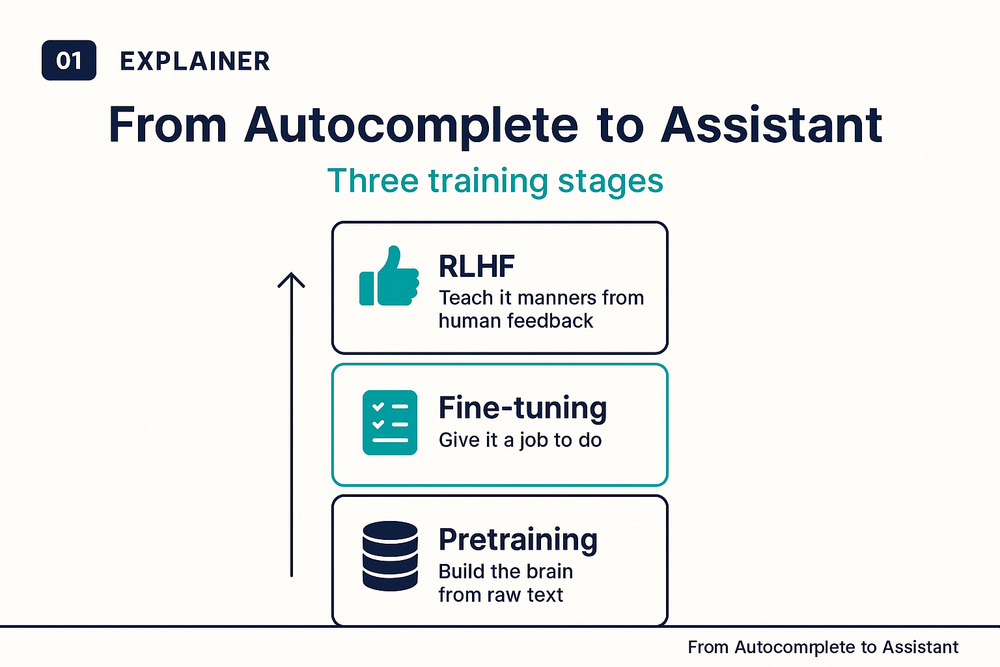
From Autocomplete to Assistant: How LLMs Are Trained (and Why They Still Get Things Wrong)
A raw transformer is a brilliant parrot, not an assistant. Turning one into something helpful takes three distinct stages, and understanding them tells you exactly why these models still confidently make things up.
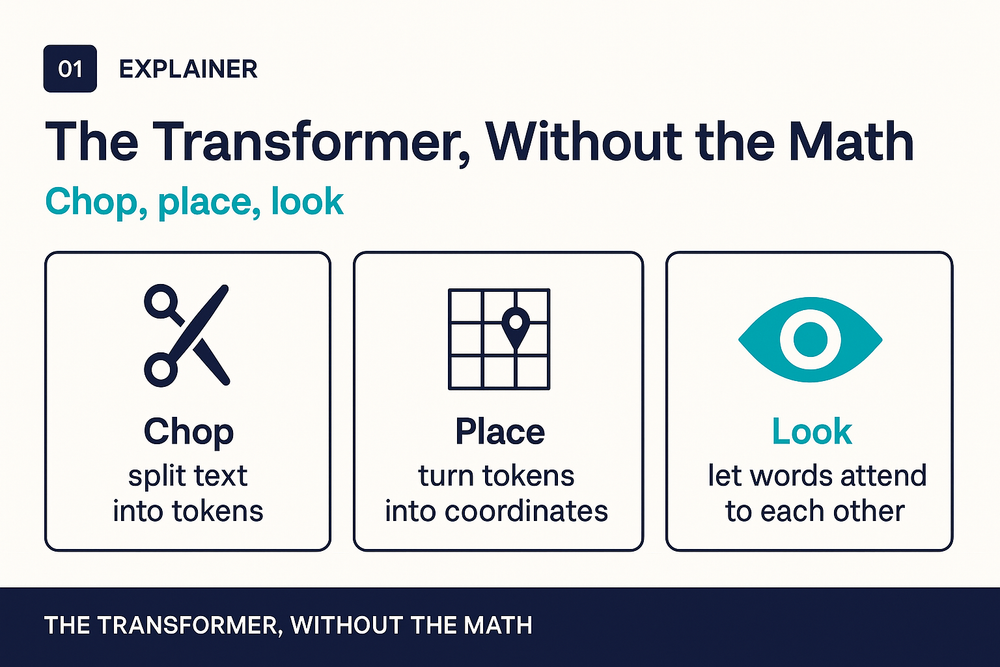
The Transformer, Explained Without the Math
The transformer is the architecture behind every modern AI you've heard of. You can understand how it works without a single equation. It comes down to three moves: chop, place, and look.
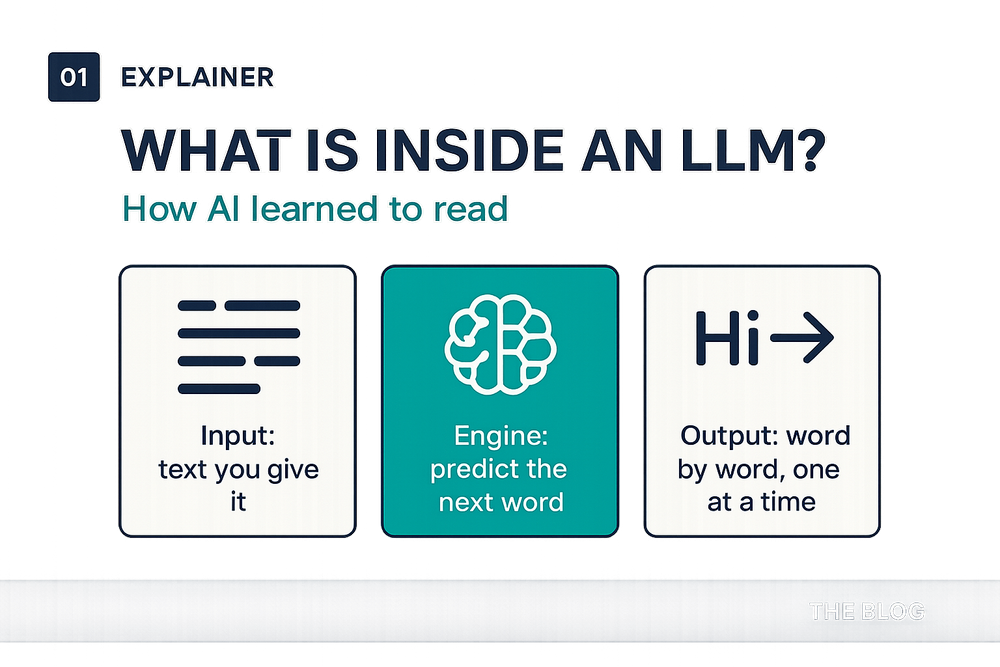
What's Actually Inside an LLM? How AI Learned to Read
Everyone talks about large language models like they understand language. They don't, not the way you do. What they actually do is stranger, simpler, and worth understanding before you trust one with anything.
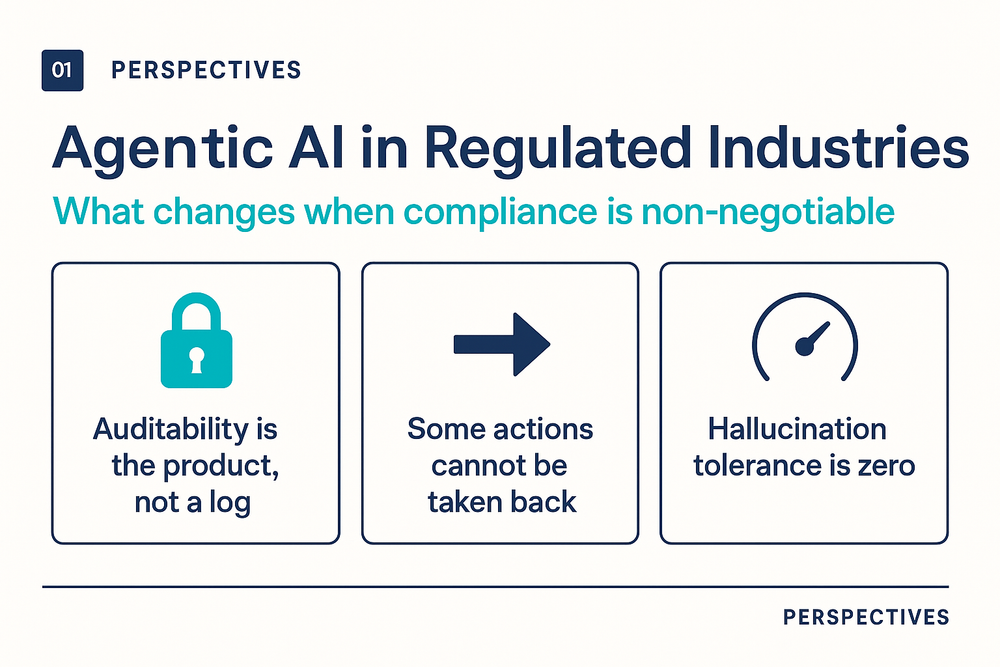
Why Agentic AI Is Different in Regulated Industries
General-purpose AI agents assume a permissive operating environment. Regulated industries do not have that luxury. Here's what changes when compliance is non-negotiable.
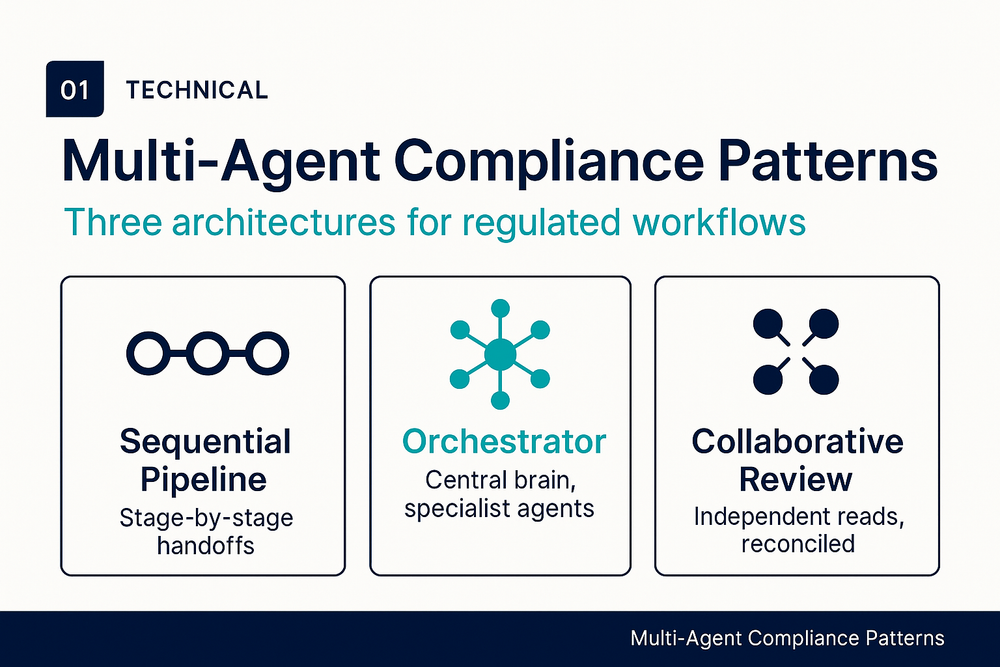
Three Patterns for Multi-Agent Compliance Workflows
Not all agentic architectures are created equal for compliance use cases. We walk through three production-proven patterns and when to use each.